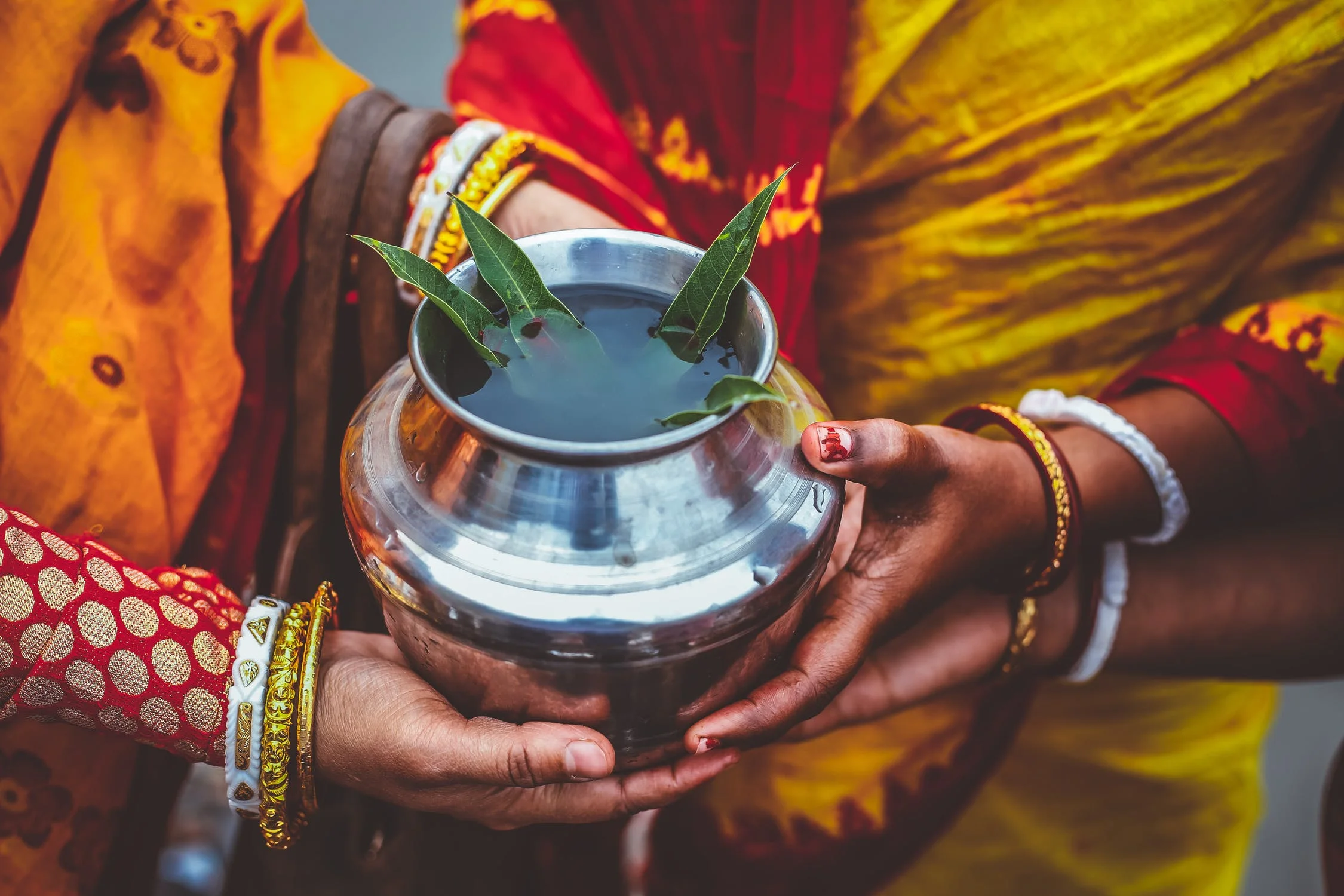
On June 26, 2018, the long running World Intellectual Property Organization (WIPO) Intergovernmental Committee on Intellectual Property and Genetic Resources, Traditional Knowledge and Folklore (IGC) reconvened in Geneva for its 36th session. Since 2000, the IGC has had a mandate to negotiate text-based instrument(s) for the effective protection of genetic resources, traditional knowledge and folklore (alternatively known as traditional cultural expressions).
Read MoreWorld Intellectual Property Day was April 26. The day aims to promote innovation and creativity for intellectual property (IP) as well as recognize achievements made across the globe by inventors and creators. As part of the Canada’s celebration, Navdeep Bains, Minister of Innovation, Science and Economic Development, launched Canada’s first IP Strategy.
Read MoreFor the 35th time in 18 years, experts have yet again gathered at the World Intellectual Property Organization (WIPO) headquarters in Geneva where they are scheduled to remain in deliberation between March 19 and 23, 2018. This meeting of the WIPO IGC is at the instance of the body’s renewed mandate for the 2018 and 2019 biennium after it failed, last year, to secure the transition of its draft texts.
Read MoreJournal of World Intellectual Property
Vol. 21, No. 5-6 (2018)
In The Cambridge Handbook of Public-Private Partnerships, Intellectual Property Governance, and Sustainable Development
Margaret Chon, Pedro Roffe & Ahmed Abdel-Latif, eds.
(New York: Cambridge University Press, 2018)
Co-authored w/ Jeremy de Beer
Journal of Environmental Law and Policy
Vol. 31, No. 1 (2017)
Co-authored w/ Vipal Jain
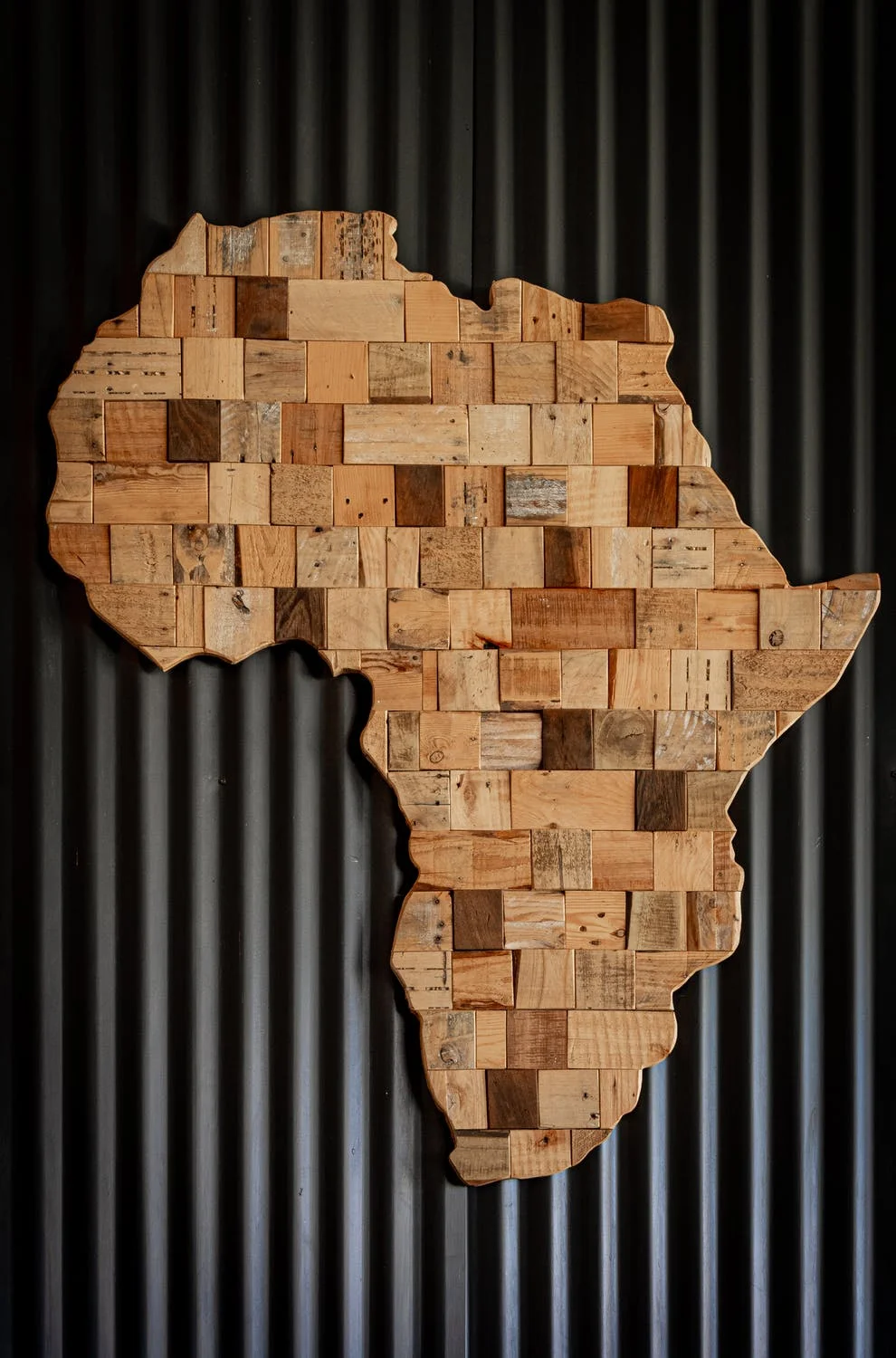
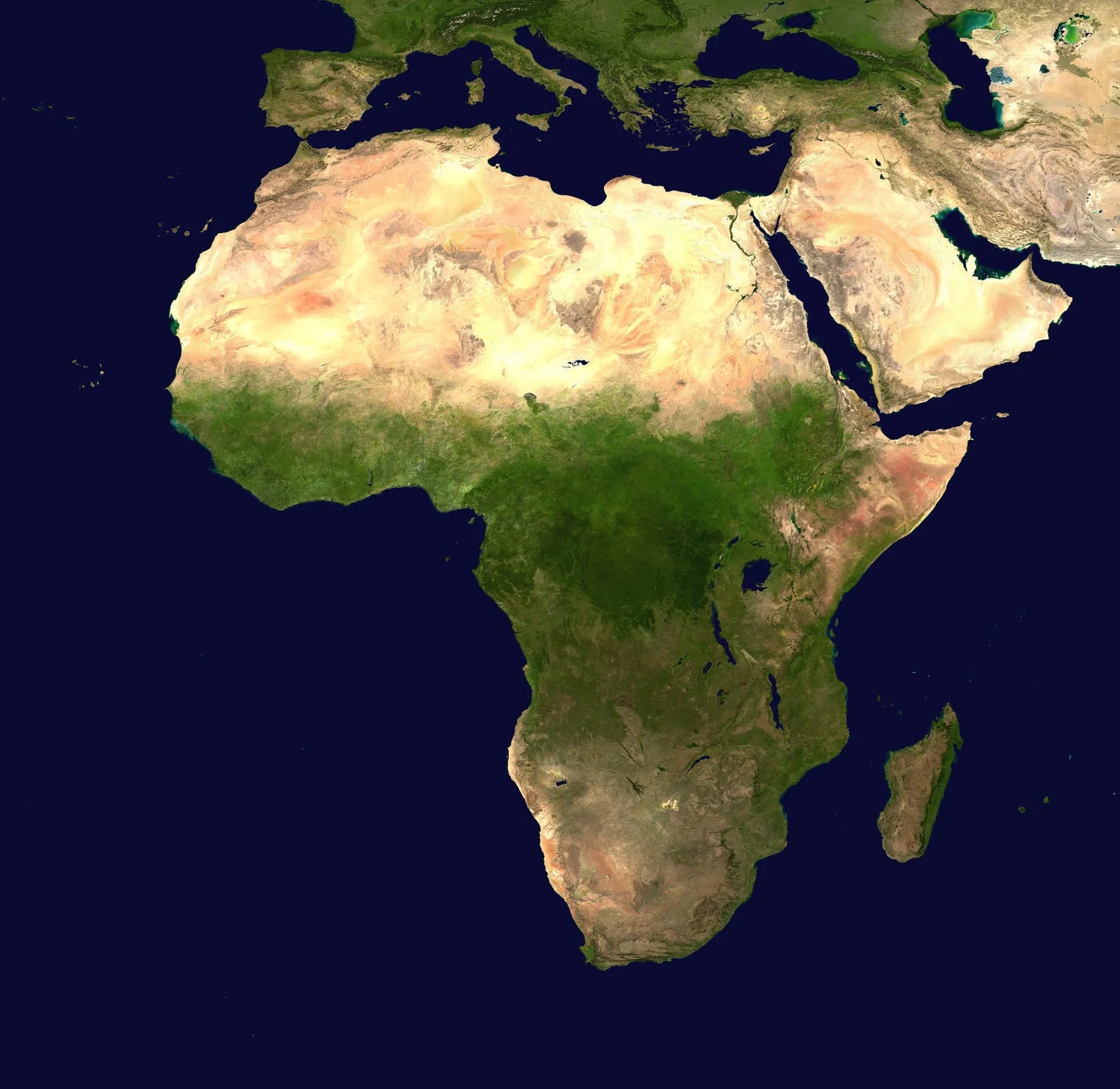
Africa is continent of 55 countries and thousands of nationalities with incredible human and cultural diversity. In addition to its wealth of incredible diversity, Africa is the youngest and fastest growing continent. How can the continent harness this incredible potential which could readily flip into unprecedented tragedy if not well-managed? That is the big question for the future of Africa. That future is at the intersection of strength and a ticking time bomb.
Read MoreOpen AIR (African Innovation Research) Network
Study on Geographic Indicators of Specialized Agricultural Production in Uganda
Co-researched with Tesh Dagne
In Protecting Traditional Knowledge: The WIPO Intergovernmental Committee on Intellectual Property and Genetic Resources, Traditional Knowledge and Folklore
D. F. Robinson, A. Abdel-Latif & P. Roffe, eds.
(New York: Routledge, 2017)
As it embarks on another five-year periodic review of the Copyright Act, Canada has an opportunity to reflect on its copyright regime in light of the gaps that exist between it and Indigenous creative works. Indigenous creative works refer to myriad forms, manifestations, or expressions of Indigenous cultural heritage and identity, ranging from stories, folklore and songs, to dances, rituals, symbols, protocols and practices. These collectively link Indigenous peoples with their land, ecological orientation and worldviews, as well as their past, present, and future.
Read MoreOpen AIR (African Innovation Research) Network
Working Paper No. 8 (2017)
Co-authored w/ Jeremy de Beer
Open AIR (African Innovation Research) Network
Working Paper No. 5 (2017)
Co-authored w/ Caroline Ncube, Tobias Schonwetter & Jeremy de Beer
Dalhousie Law Journal
Vol. 39, No. 2 (Fall 2016)
Marine Policy
Vol. 67 (2016)
Co-authored w/ Aldo Chircop & David Dzidzornu
One of the off record welcome hospitality that the Conservative Prime Minister of Britain, Mr. David Cameron, extended to President Muhammadu Buhari who attended the May 10 Anti-Corruption Summit in London is his sneaky remark to the British monarch, Queen Elizabeth II, ahead of that summit that Nigeria (alongside Afghanistan) is a “fantastically corrupt” country. My impression is that Her Majesty may have a better sense of history than Cameron.
Read MoreForging national unity has been a perennial challenge to Nigeria’s evolution as a country. Since independence from Britain 56 years ago, the country continues to weather severe existential storms that strike at its very core. These make national cohesion and political stability largely elusive.
Read MoreNigeria’s security challenges continue to escalate. While the Boko Haram insurgence keeps mutating, kidnappings and hostage taking for ransom rise in competition as side dishes in the main course of the country’s ignominious rise in terrorism profile. Yet, the abducted Chibok girls remain a scar on the conscience of the Nigerian government at all levels. At present, Nigeria’s abysmal human rights record is taking another stress at the instance of recent violent encounter between members of the Shiite Islamic sect and the military.
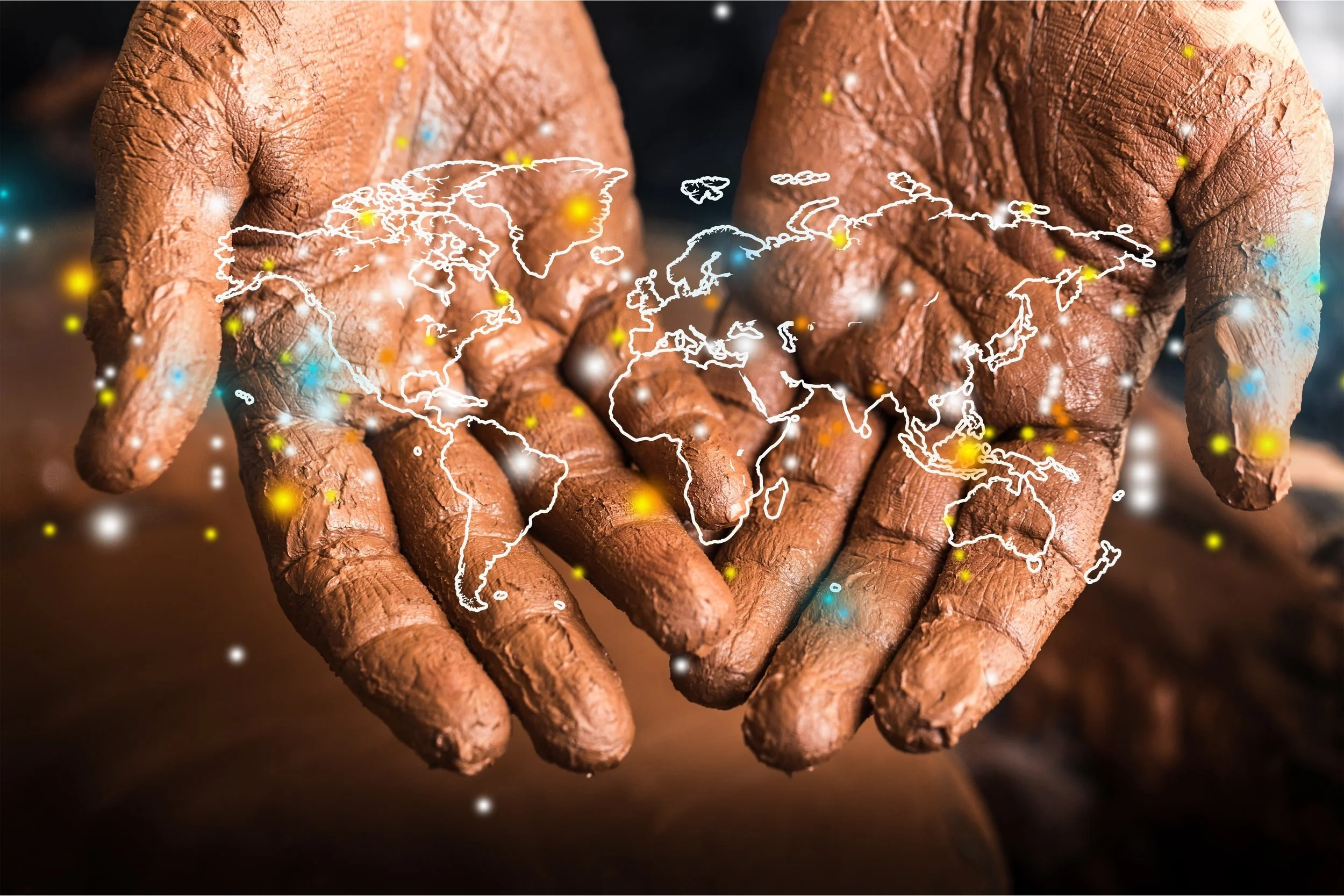
Read MoreThe global South is full of significant, diverse biological and genetic resources. It’s also home to most of the world’s indigenous communities. This is why developing countries are sensitive about protecting their genetic resources and traditional knowledge.
Read More