OP-EDS
All Publications


















How are the Cradle Principles on Knowledge Governance relevant to Traditional Knowledge in Africa?
Did you know that small farmers’ access to agri-food data can impact food security on a global scale?
The Open AIR network has collected data in numerous African innovation settings over the past decade, and has developed a four-pillar taxonomy of scaling practices.
Read about how Nollywood’s persistent openness has contributed to its success at local, national, continental and global levels.
Feb. 21, 2021: Israel introduced “green passes” – evidence of COVID-19 vaccination or presumed immunity after recovery from the disease. This certificate is also known as an immunity passport.
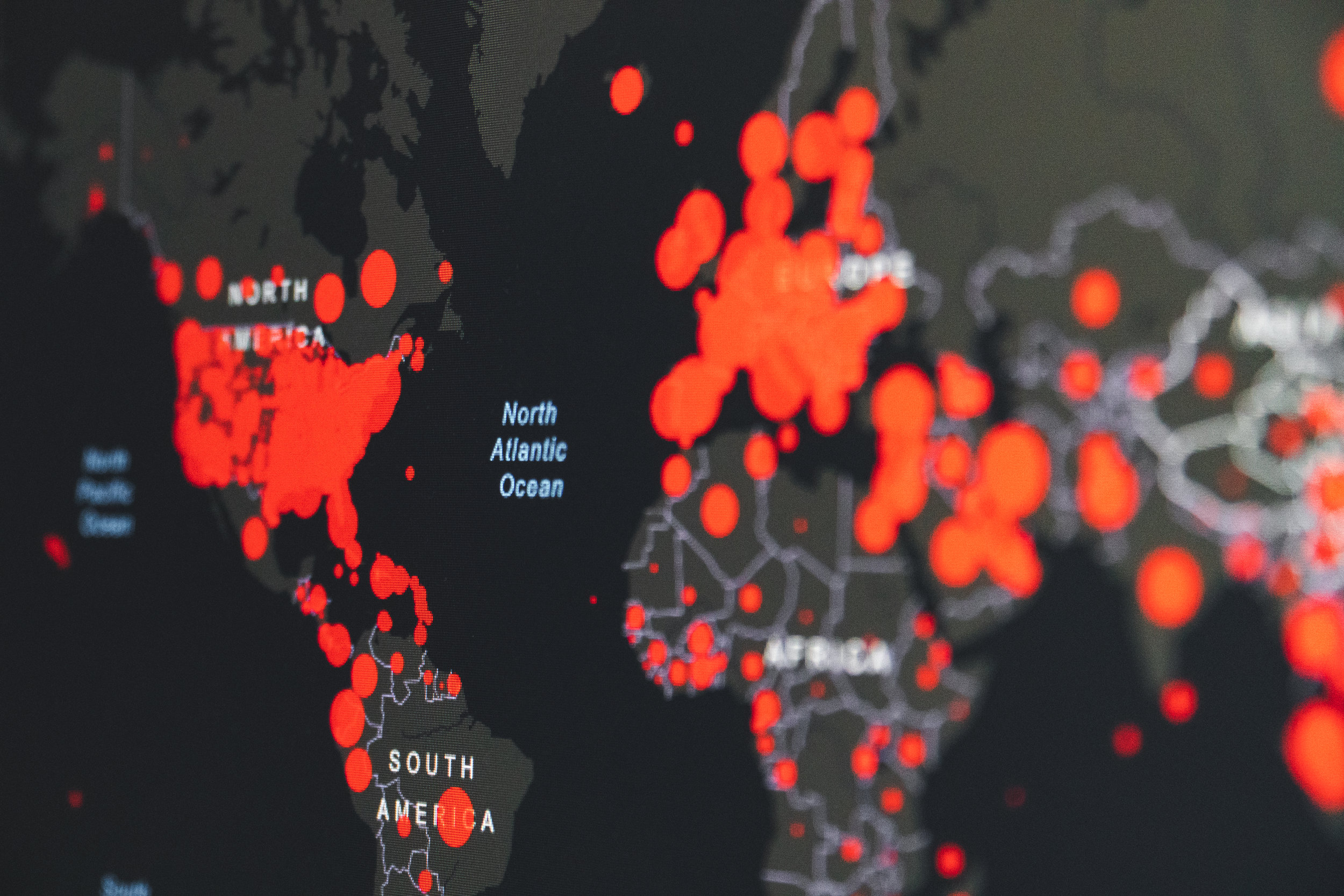
Africa’s fate is precarious in the face of COVID-19. It is the last continent to be affected by COVID-19 following the arrival of the contagion in Egypt and Nigeria in February 2020.
Except perhaps South Africa, credible statistics on the extent of the COVID-19 infection in African countries are lacking. So far, African countries could not sustain two full months of lockdown.
As an African and a Canadian, I inhabit an observatory. I am a resident in two worlds of blunt contrasts. On a good note, those contrasts offer privileged lessons on the richness and complexity of the human experience, of our world.
The Third Industrial Revolution (3IR) provided perhaps the most significant insights into Africa’s potential to fast-track its march to sustainable development.
The entrepreneurial uptake of computer technology and the increasing digitisation have made Africa a source of intellectual power in the digital sphere.
For judiciary watchers and stakeholders in the administration of Justice, Oke’s tenure had no dull moment.
Africa is the youngest and fastest growing continent. How can the continent harness this incredible potential which could readily flip into unprecedented tragedy if not well-managed?
As it embarks on another five-year periodic review of the Copyright Act, Canada has an opportunity to reflect on its copyright regime in light of the gaps that exist between it and Indigenous creative works.
British Prime Minister David Cameron privately told Queen Elizabeth II that Nigeria was “fantastically corrupt” while hosting President Muhammadu Buhari. My impression is that Her Majesty may have a better sense of history than Cameron.
Forging national unity has been a perennial challenge to Nigeria’s evolution as a country. Since independence from Britain 56 years ago, the country continues to weather severe existential storms that strike at its very core.
Nigeria’s security challenges continue to escalate. While the Boko Haram insurgence keeps mutating, kidnappings and hostage taking for ransom rise in competition as side dishes in the main course of the country’s rise in terrorism profile.
The global South is full of diverse biological and genetic resources. It’s also home to most of the world’s Indigenous communities. This is why developing countries are sensitive about protecting their genetic resources and traditional knowledge.
Nigeria’s tertiary education industry is increasingly competitive for all stakeholders. Several actors in the religious, secular and various local and international partnerships or consortia have entered the tertiary education sector with visible impact.
Over 2013, many mentioned how discussions involving Canadians within and without Canada are easily short-changed by a more exciting topic: Mayor Rob Ford and his indiscretions.
In the last decade, warlordism has been on the decline in Africa. But terrorism and other forms of political combustion appear to be on the rise.
On August 15, 2008 members of the African Diaspora Communities in the Maritime Region of Canada woke up to the shocking news of the death of one of their own, Ms. Ifeoma Stella Obi.
Nothing places Nigeria in the news lately more than the Niger Delta. Indeed, the Niger Delta is synonymous with the instability that Nigeria contributes to global oil supply and, by extension, the current global energy crisis.
The emergence of Governor Ikedichi Ohakim of Imo State is one of the litanies of surprises in the last discredited general elections. In the period preceding the elections, Imo State was a theatrical site for the absurd.
Many have the impression that this President is not overly excited about the idea that Nigeria’s dream of transformation can be entrusted in the hands of its younger generation.
In the past two weeks, in this column, I serialized a two part commentary on the Anambra and Plateau crises and other incidental issues on the state of the Nigerian nation.
On Plateau State, the President may be right in questioning the morality of Governor Dariye’s continued stay in office. However, while the President would prefer that Governor Dariye resign or be impeached, that is not as simple as it seems.
In 1999, while responding to a suggestion that retired generals and other political jobbers were making monetary donations to his bid for the presidency and would expect to be rewarded, Mr. President said that there will be no room for that if he were elected.
However the courts resolve the pending litigations on the constitutionality of the declaration of state of emergency in Plateau State six months ago, the place of that singular decision of the Obasanjo administration is firmly secured in Nigeria’s constitutional and political history.
Again, let me say that I am not readily inclined to draw simplistic comparisons between Nigeria’s political culture and what obtains in long established western democracies. Yet, it borders on the irresistible to, at least, contemplate how much our politicians and so called leaders at different levels of public service get away with. Just a casual reference to a different political culture elsewhere could serve my purpose here.
Two subjects competed for my writing commitment in the last month. If you are a keen watcher of events in Nigeria, you could possibly offer a correct guess. But do not bother. Let me tell you what they were. The first relates to the complicity of Mr. President, the Balogun of Owu, on the Owu Obaship tussle. The other is the Okija horror.